


Let’s figure it out together.
At the co-lab, we get it. Life’s challenges don’t come with a one-size-fits-all solution. Whether you're looking for personal coaching or counselling, co-parenting counselling and support, family counselling, a neutral moderator for tough family discussions, or are on the hunt for a stellar, comprehensive family mediator, we’ve got you covered.
Our team of highly trained family law, family services, and mental health professionals across North America offers custom solutions both in person and online/virtually, designed to fit your unique circumstances and family dynamics.
Let us help you navigate the challenging moments and create the connection as well as the peace that you deserve.
No waitlist. Easy scheduling. Appointment reminders. Sliding scale available

Find provincial services for mediation, parenting plans, child support, and court support.
Estimates child and spousal support amounts according to federal guidelines.
OurFamilyWizard
Secure co-parenting communication platform with court-accepted records.
Talking Parents
Secure co-parenting communication platform with court-accepted records.
CanLII
Free access to legal decisions from courts across Canada; useful for self-representing litigants and professionals.
First Nations Health Authority (BC)
Mental health, healing, and addictions supports, including trauma-informed services.
Indian Residential School Survivors Society (IRSSS)
Counselling and cultural support for residential school survivors and their families.
LGBT YouthLine
📞 1-800-268-9688
Peer support for LGBTQ+ youth in Ontario (email and text support available Canada-wide).
QMUNITY (BC)
Mental health support, youth programs, and trans services.
Egale Canada
National LGBTQI2S advocacy and mental health tools.
Ending Violence Association of Canada (EVA-Canada)
National network of provincial associations addressing family violence and gender-based harm.
ShelterSafe.ca
Find nearby shelters and supports for women and children fleeing violence (nationwide).
Talk Suicide Canada
📞 1-833-456-4566 | 💬 Text 45645
24/7 suicide prevention and crisis support across Canada.
Also supports caregivers and frontline professionals.
Kids Help Phone
📞 1-800-668-6868 | 💬 Text CONNECT to 686868
Free, 24/7 support for youth, including Indigenous and LGBTQ+ youth. Services in English, French, Arabic, and more.
Canadian Mental Health Association (CMHA)
Nationwide chapters offering therapy, peer programs, housing, employment, and recovery support.
Use the "Find your CMHA" feature for local services.
Centre for Addiction and Mental Health (CAMH)
Canada’s largest teaching hospital for mental health and addictions. Extensive resources for clients, families, and clinicians.
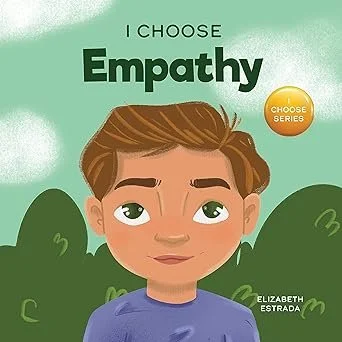
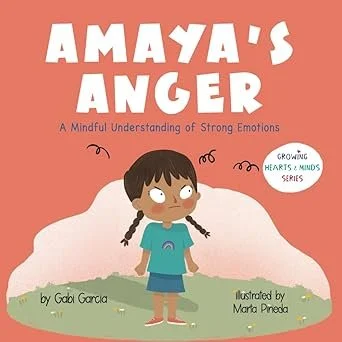
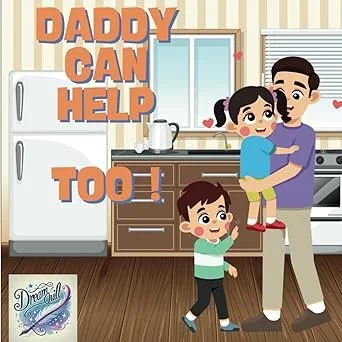
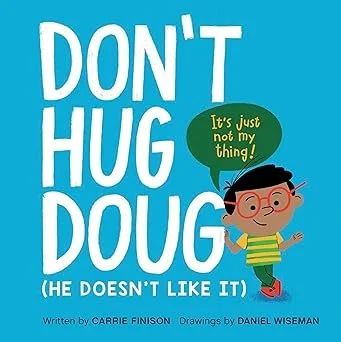
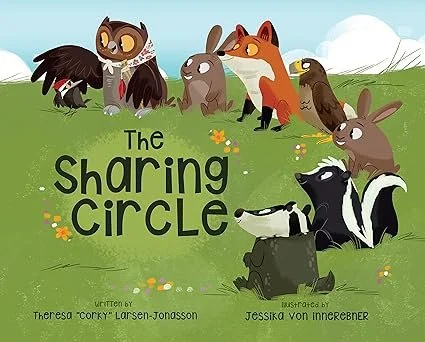
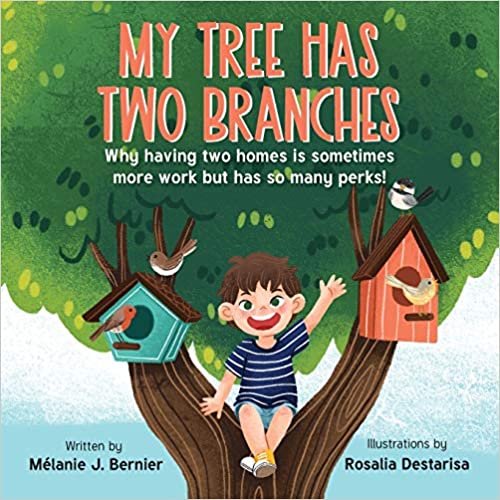
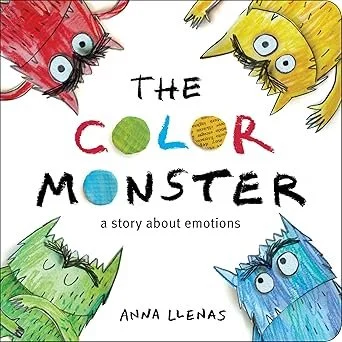
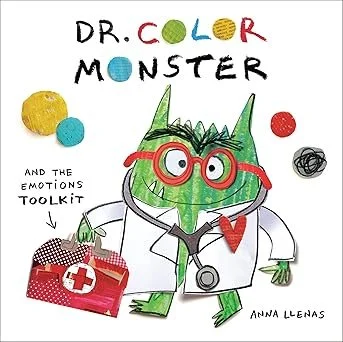
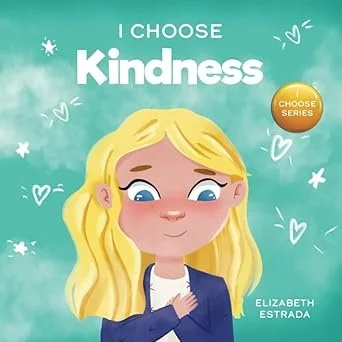
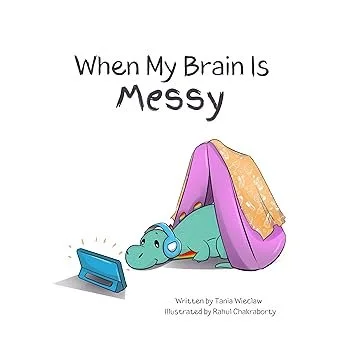
Resources for kiddos




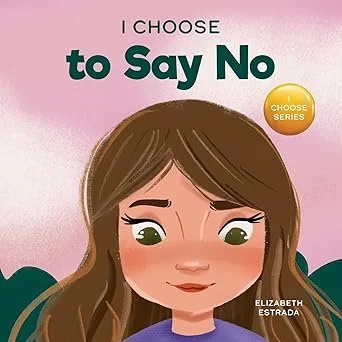
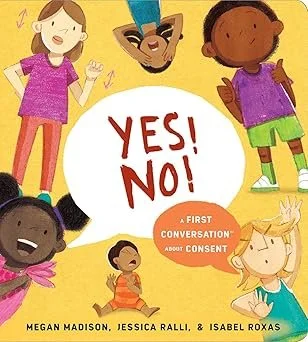



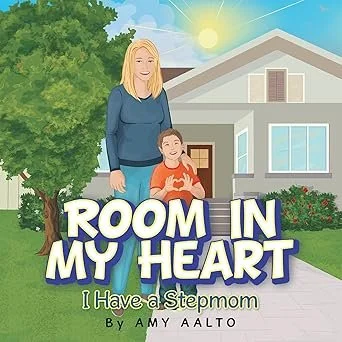
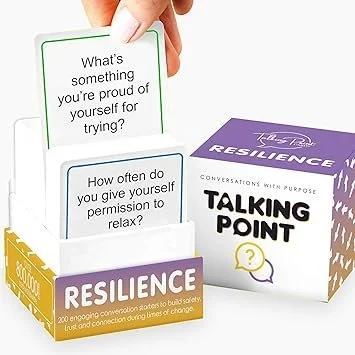




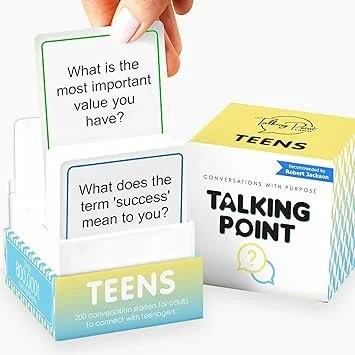








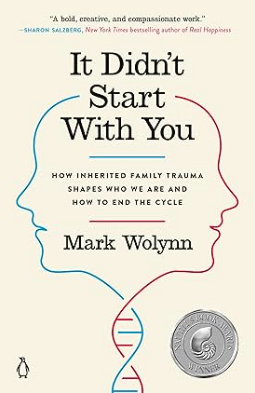
Resources for parents






Forms of Intimate Partner Violence and Abuse
Intimate partner violence and abuse can take many forms. It is not limited to physical violence. Abuse may be ongoing, patterned, subtle, escalating, or intermittent. It may occur during a relationship, after separation, or within family court and co-parenting dynamics. The following categories are not exhaustive, and more than one form of abuse may occur at the same time.
Verbal and Emotional Abuse
Verbal and emotional abuse can include yelling, insults, putdowns, degrading comments, humiliation, name-calling, criticism, intimidation, blaming you for the abuse, minimizing your experiences, threatening to leave, threatening self-harm as a means of control, or making you feel responsible for the other person’s emotions or behaviour.
This form of abuse may also include repeated criticism of your parenting, intelligence, appearance, mental health, credibility, or worth. Over time, verbal and emotional abuse can erode confidence, increase fear, and make it harder to trust your own judgment.
Economic and Financial Abuse
Economic or financial abuse can include restricting access to money, withholding funds, taking your money, controlling spending, preventing you from having your own bank account, hiding financial information, refusing to contribute to shared expenses, forcing you to account for every purchase, or creating debt in your name.
It may also include interfering with your ability to work, attend school, obtain childcare, maintain transportation, or build financial independence. In some relationships, financial abuse continues after separation through unpaid support, hidden income, repeated financial demands, or using money as a way to maintain control.
Physical Violence and Abuse
Physical violence or abuse can include hitting, slapping, punching, kicking, pushing, grabbing, shaking, restraining, confinement, locking you in or out of a space, strangulation, choking, smothering, burning, using weapons, or physically preventing you from leaving.
Physical abuse does not need to leave visible injuries to be serious. Strangulation, choking, smothering, and threats involving weapons are particularly concerning and may indicate increased risk of serious harm or lethality.
Threats of Physical Violence
Threats of physical violence can include threatening to hurt you, threatening to kill you, destroying property, punching holes in walls, throwing objects, driving dangerously to frighten you, blocking exits, standing over you, threatening to harm people you care about, or using gestures, looks, or actions intended to intimidate.
Threats may also include implied violence, such as showing weapons, reminding you of past violence, or suggesting that no one will believe you or protect you if you seek help.
Sexual Violence and Abuse
Sexual violence or abuse can include sexual assault, unwanted sexual touching, coercion, pressure, manipulation, threats, intimidation, or guilt used to make you engage in sexual acts you do not want or have not freely agreed to.
It may also include reproductive coercion, refusing to use contraception, interfering with birth control, pressuring pregnancy or abortion decisions, non-consensual recording, sharing or threatening to share intimate images or videos, and sexual degradation. Consent must be freely given, informed, ongoing, and able to be withdrawn at any time.
Coercive Control
Coercive control is a pattern of behaviour designed to dominate, intimidate, isolate, monitor, degrade, or restrict another person’s autonomy and freedom. It may include regulating daily activities, controlling who you see, where you go, what you wear, how you parent, how you spend money, or how you communicate.
Coercive control can include strategic isolation, intense jealousy, surveillance, gaslighting, threats, punishment, degradation, manipulation, limiting independence, controlling access to transportation or technology, and creating a sense that resistance will lead to consequences. The harm is often cumulative, as the person experiencing abuse may begin to change their behaviour to avoid conflict, punishment, or escalation.
Legal Abuse
Legal abuse can include using legal systems, court processes, police reports, parenting arrangements, or professional involvement as tools of harassment, punishment, intimidation, or control.
This may include deliberately causing delays, repeatedly returning to court, making vexatious or unnecessary applications, refusing to follow court orders, refusing to disclose documents, destroying evidence, making false or misleading reports, misusing protection concerns, interfering with your ability to retain legal counsel, escalating costs, or using litigation to continue contact after separation.
Legal abuse can also include using parenting time, decision-making, assessments, counselling, or professional reports to monitor, discredit, pressure, or destabilize the other parent.
Spiritual or Religious Abuse
Spiritual or religious abuse can include using faith, religious teachings, cultural expectations, or spiritual authority to justify abuse, pressure you to stay in an unsafe relationship, silence disclosure, demand obedience, or control your decisions.
It may also include mocking or degrading your beliefs, preventing you from practicing your faith, forcing religious participation, isolating you from your faith community, or using religious leaders or doctrine to shame, control, or intimidate you.
Using Children in Abuse
Using children in abuse can include involving children in adult conflict, having children report on your activities, instructing children to reject, insult, monitor, or harm you, telling children harmful or untrue things about you, using children to deliver messages, or placing children in the middle of adult issues.
It can also include threatening to take the children away, using parenting time to control you, undermining your relationship with the children, exposing children to frightening adult information, or making children feel responsible for the abusive parent’s emotions. This form of abuse can be deeply harmful to both the targeted parent and the children.
Abuse or Threats Involving Animals
Abusing animals or threatening to abuse animals can include physically harming pets, scaring or intimidating animals, neglecting their care, withholding food or veterinary treatment, threatening to give them away, threatening to kill them, or using concern for animals to pressure or control you.
Pets are often part of the family system, and threats or harm toward animals may be used to create fear, prevent someone from leaving, or punish them for asserting boundaries.
Technology-Facilitated Abuse
Technology-facilitated abuse occurs when someone uses digital tools, devices, online platforms, or technology to monitor, harass, intimidate, impersonate, exploit, or control another person.
It can include repeated unwanted texts or calls, harassment through social media, monitoring email or accounts, accessing devices without consent, using spyware, tracking location, threatening to share private information, non-consensual sharing of intimate images, impersonation, doxxing, using parenting apps abusively, or restricting access to technology.
Women’s Shelters Canada describes technology-facilitated abuse as occurring “when someone uses technology to harm or control you,” including harassing messages, restricting access to technology, non-consensually sharing intimate images, using location-tracking technology, or threatening to do these things.
Post-Separation Abuse
Abuse may continue or escalate after separation. Post-separation abuse can include stalking, harassment, threats, financial control, legal abuse, misuse of parenting arrangements, repeated breaches of boundaries, monitoring, attempts to damage reputation, or using children, professionals, or court processes to maintain access and control.
Leaving an abusive relationship does not always end the abuse. In some cases, separation can increase risk, particularly where the abusive person experiences loss of control.
Social and Reputational Abuse
Social and reputational abuse can include spreading rumours, damaging your relationships, contacting your employer, interfering with friendships, discrediting you to family or professionals, portraying you as unstable or unsafe, or using private information to shame or isolate you.
This form of abuse can be especially harmful when the abusive person presents well publicly while behaving differently in private, making it harder for others to understand what is happening.
Psychological Abuse and Gaslighting
Psychological abuse can include manipulation, intimidation, mind games, blame-shifting, denial, distortion, or repeated behaviours that cause you to question your memory, perception, or reality.
Gaslighting may involve denying things that happened, insisting you are “too sensitive,” “crazy,” “dramatic,” or “the problem,” rewriting events, accusing you of the very behaviour they are engaging in, or creating confusion to avoid accountability.
Stalking and Surveillance
Stalking and surveillance can include following you, showing up unexpectedly, repeatedly contacting you, monitoring your movements, tracking your location, watching your home or workplace, using others to gather information, monitoring social media, or making you feel that you are never fully free from observation.
Stalking can occur in person, online, through technology, or through third parties. It should be taken seriously, especially when paired with threats, jealousy, separation, or prior violence.
Isolation
Isolation can include interfering with your relationships, discouraging or preventing contact with family or friends, making social interactions feel unsafe, creating conflict with your support network, controlling transportation, monitoring communication, or making you feel guilty for spending time with others.
Isolation often increases dependency and makes it more difficult to seek support, disclose abuse, or leave safely.
Identity-Based Abuse
Identity-based abuse can include using someone’s race, culture, immigration status, disability, sexuality, gender identity, language, religion, age, or mental health against them.
This may include threats to report someone to immigration, outing someone without consent, withholding accessibility supports, mocking cultural practices, using racist or discriminatory language, threatening community rejection, or exploiting systemic barriers to increase control.
Pattern, Context, and Impact Matter
A single behaviour may not tell the full story. Intimate partner violence and abuse are best understood by looking at the pattern of behaviour, the context in which it occurs, the intent or function of the behaviour, and the impact on the person experiencing it.
Abuse often involves a repeated imbalance of power, fear, control, intimidation, and restriction of autonomy. It may not always be visible to others, and it may be minimized or denied by the person causing harm. The absence of physical injury does not mean the absence of abuse.
Basic Safety Plan
This safety plan is intended to help identify practical steps that may increase safety during an abusive, controlling, escalating, or unpredictable relationship. It does not require a person to leave before they are ready. Safety planning can be useful whether someone is staying, preparing to leave, has recently left, or is navigating post-separation abuse.
If you are not yet ready to leave, or you have returned - Know that a person who leaves an abusive relationship returns an average of 7 to 8 times. This can be due to a variety of circumstances that make a return necessary to them.
If there is immediate danger, call emergency services 911. If you require additional resources, they can be made available via 988.
Our team provides FREE safety planning sessions - You can book one by emailing us at hello@theco-lab.co. We suggest this be done from an email account you have access to.
1. Immediate Danger Plan
If I feel unsafe or believe violence may occur, I can:
Move toward an exit, if safe to do so.
Avoid rooms where weapons or hard surfaces are present, such as kitchens, bathrooms, garages, or rooms with tools.
Keep my phone charged and accessible.
Call emergency services if I or my children are in immediate danger.
Use a code word or phrase with a trusted person so they know I need help.
Teach children, in an age-appropriate way, how to call for help without placing responsibility on them to manage adult safety.
Leave the home if it is safer to do so.
Go to a pre-identified safe place.
My emergency code word or phrase is:
People I can contact in an emergency:
Safe places I can go:
2. Safer Spaces in the Home
If tension is escalating, I will try to move to a safer area where I have access to an exit and fewer objects that could be used as weapons.
Safer areas may include:
A room near an outside door.
A room with a phone.
A neighbour’s home.
A public place.
A space where other adults are present.
Areas I will try to avoid during escalation:
Kitchen.
Bathroom.
Garage.
Basement.
Rooms with weapons, tools, or limited exits.
Rooms where children may become trapped or directly exposed.
3. Children’s Safety
Children should not be made responsible for adult safety, but they can be given simple, age-appropriate instructions.
I can teach my children:
How to call emergency services.
Their full name and address, if age appropriate.
Where to go in an emergency.
Not to intervene in adult conflict.
To leave the room and go to a safe place if conflict escalates.
A code word that means they should go to a neighbour, call for help, or follow the safety plan.
Safe adults my children can go to:
Childcare, school, or daycare contacts who should know about safety concerns, where appropriate:
4. Technology Safety
If it is safe to do so, I can:
Change passwords on email, banking, cloud storage, social media, and phone accounts.
Use a device the abusive person cannot access when looking up support.
Turn off location sharing.
Check whether shared accounts, vehicles, apps, or devices are tracking my location.
Avoid saving safety-related searches, documents, or messages on shared devices.
Create a new email account for legal, safety, or support communication.
Review privacy settings on social media.
Be careful about posting location, routines, court dates, or travel plans online.
Important accounts to secure:
Email: __________________________________
Banking: ________________________________
Phone/cloud account: _____________________
Social media: ____________________________
Parenting app: ___________________________
5. Documents and Essential Items
If safe, I can gather or copy important documents and keep them somewhere the abusive person cannot access.
Important items may include:
Identification.
Birth certificates.
Health cards.
Passports.
Immigration documents.
Banking information.
Credit cards or emergency cash.
Medication and prescriptions.
Keys.
Court orders or protection orders.
Lease, mortgage, or housing documents.
Children’s school and medical information.
Important phone numbers.
Evidence of abuse, threats, stalking, financial abuse, or breaches of orders.
Safe place to store copies:
Person who can hold copies for me:
6. Financial Safety
If safe and possible, I can:
Set aside small amounts of money.
Open a separate bank account at a different institution.
Change online banking passwords.
Monitor credit reports or debt taken out in my name.
Keep copies of financial records.
Document unpaid support, hidden income, coercive financial behaviour, or interference with work.
Identify emergency financial supports, benefits, or community resources.
Financial documents to gather:
Emergency money or account location:
7. Leaving Safely
Leaving can increase risk, especially where there has been coercive control, threats, stalking, strangulation, weapons, extreme jealousy, or threats to harm self, children, pets, or others.
If I am planning to leave, I can:
Speak with a domestic violence advocate, shelter, victim services worker, lawyer, or trusted professional before leaving.
Choose a time when the abusive person is unlikely to be present.
Plan transportation.
Pack an emergency bag, if safe.
Keep the emergency bag somewhere hidden or with someone I trust.
Identify where I will go.
Consider safety for children, pets, and dependents.
Avoid telling the abusive person my plan if doing so would increase danger.
Avoid telling children my plan if doing so would increase danger.
Consult with a family lawyer or family justice if common law, married and/or if you have children/dependants.
Consider whether a protection order, police report, or legal advice is needed.
Where I can go:
How I can get there:
Who can help me leave:
8. Pet Safety
If there are pets, I can consider:
Asking a trusted person to temporarily care for them.
Contacting a shelter or animal support program about pet safekeeping options.
Keeping vaccination and veterinary records accessible.
Including pets in protection planning if threats have been made.
Avoiding disclosure of the pet’s location if that would increase risk.
Pet safety contact:
9. Workplace, School, and Community Safety
If appropriate, I can tell selected people about the safety concern so they know how to respond.
This may include:
Employer.
Security or reception.
School or daycare.
Neighbours.
Close friends or family.
Lawyer.
Counsellor.
Victim services.
Doctor or healthcare provider.
People or places that should know:
Information they need:
What they should do if the abusive person contacts or appears near me:
10. Post-Separation Safety
If I have left or separated, I can:
Change locks, if legally permitted.
Update passwords and security questions.
Vary routines when possible.
Save threatening messages, voicemails, emails, or call logs.
Document breaches of orders or parenting arrangements.
Use written communication where possible.
Keep exchanges in public or supervised locations if needed.
Avoid being alone with the abusive person.
Consider whether parenting exchanges require third-party support.
Let trusted people know about court dates, exchange times, or elevated risk periods.
Important boundaries after separation:
Exchange safety plan:
Documentation plan:
11. Emotional Safety and Support
Abuse can make it difficult to think clearly, trust yourself, or ask for help. Emotional safety matters too.
I can support myself by:
Identifying people who believe me and do not pressure me.
Speaking with a counsellor, advocate, elder, faith leader, or trusted professional.
Making a plan for moments when I feel overwhelmed.
Reminding myself that abuse is not my fault.
Taking small safety steps rather than trying to solve everything at once.
Avoiding conversations with the abusive person when I am isolated, exhausted, or unsupported.
People who help me feel grounded:
Things that help me regulate:
12. Warning Signs of Escalation
I should pay attention if the abusive person:
Increases threats.
Talks about suicide, homicide, or “nothing to lose.”
Has access to weapons.
Has strangled, choked, or smothered me.
Stalks, follows, or tracks me.
Threatens to take or harm the children.
Threatens pets, family, friends, or new partners.
Escalates around separation, court, finances, or parenting issues.
Violates court orders or boundaries.
Becomes more controlling, jealous, desperate, or unpredictable.
My personal warning signs that risk may be increasing:
What I will do if I notice these signs:
*Please be aware that stalking and strangulation significantly increase the potential of homicide and/or harm. If these are part of your story - It is important to consider reaching out for support form a intimate partner violence/family violence trained professional and/or services.
13. Support Contacts
Emergency services:
Local shelter or transition house:
Victim services:
Legal support:
Counsellor or advocate:
Trusted friend or family member:
Doctor or healthcare provider:
14. Safety Plan Review
This plan should be reviewed and updated when circumstances change, including after separation, court events, threats, changes in parenting arrangements, relocation, new technology concerns, or escalation.
Date created:
Date to review: